In Western Europe, we typically associate Vikings with the storm-tossed waters of the North Sea and the North Atlantic, the deep Scandinavian fjords and the attacks on the monasteries and settlements of north-western Europe. This popular image rarely includes the river systems of Russia and Ukraine, the wide sweep of the Eurasian steppe, the far shores of the Caspian Sea, the incense and rituals of the Eastern Orthodox Church and the high walls and towers of the city of Constantinople. Yet for many Viking raiders, traders and settlers, it was the road to the East that beckoned.
These Viking adventurers founded the Norse–Slavic dynasties of the Rus, which are entangled in the bitterly contested origin myths of Russia and Ukraine. The Rus were the first community in the region to convert to Christianity – in its Eastern Orthodox form – and so they are at the heart of the concept of ‘Holy Russia’. Russian rulers have frequently referenced these Norse origins when trying to enhance their power and secure control over the Ukrainian lands, most recently demonstrated by Vladimir Putin as his justification for seizing Crimea and invading Ukraine.
Coming in the Fall –
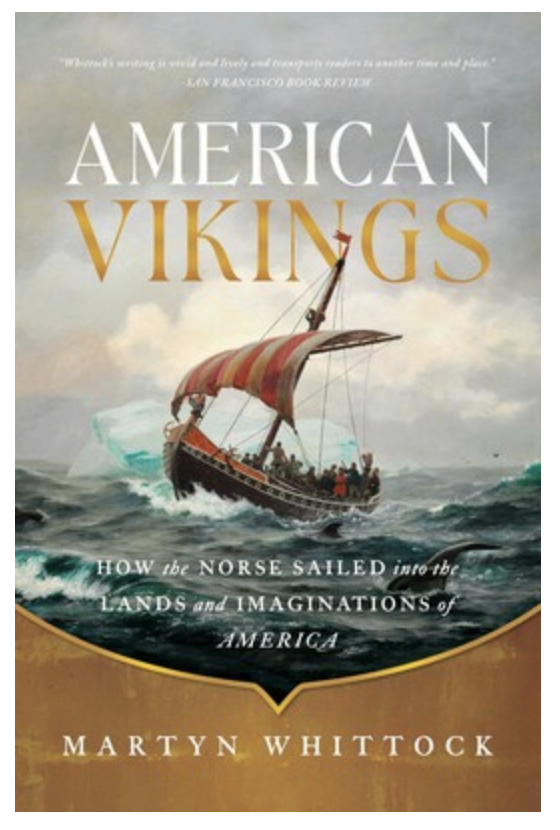
A vivid and illuminating new history—separate fact from fiction, myth from legend—exploring the early Vikings settlements in North America.
Vikings are an enduring subject of fascination. The combination of adventure, mythology, violence, and exploration continues to grip our attention. As a result, for more than a millennium the Vikings have traveled far and wide, not least across the turbulent seas of our minds and imaginations.
Release Date: November 7, 2023
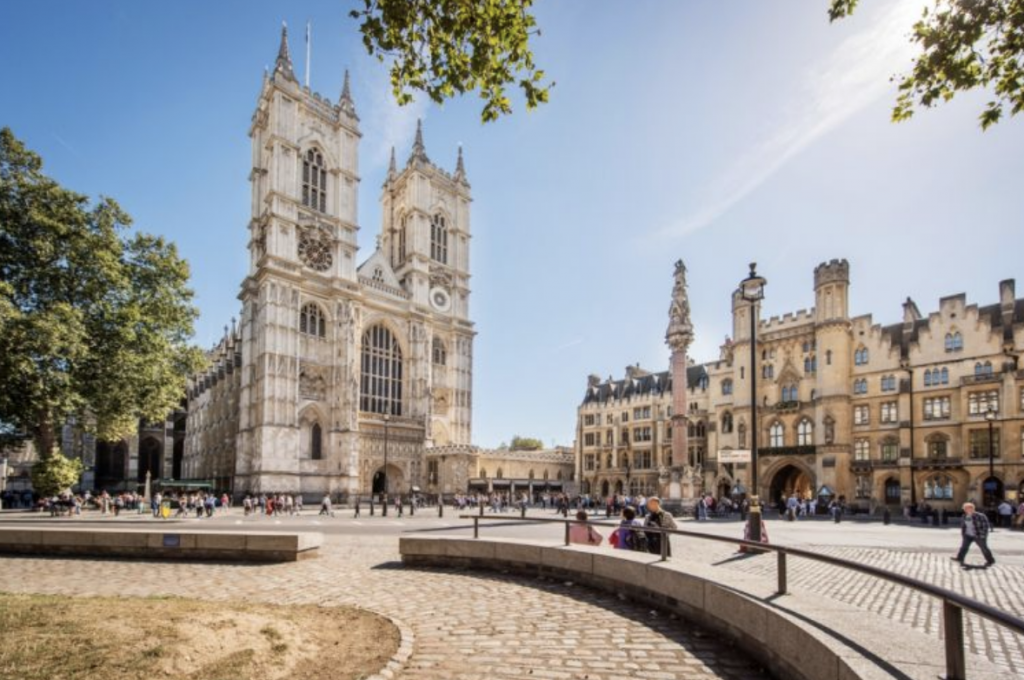
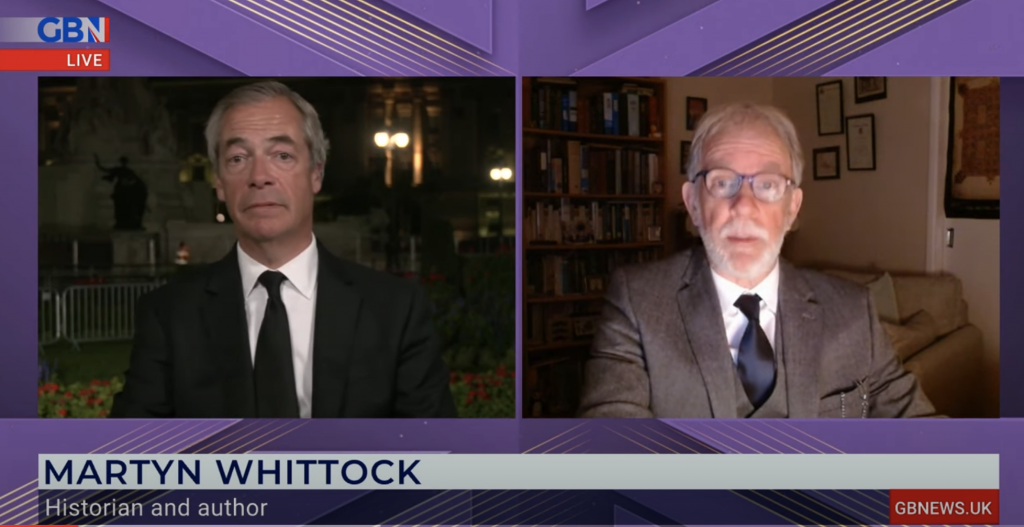
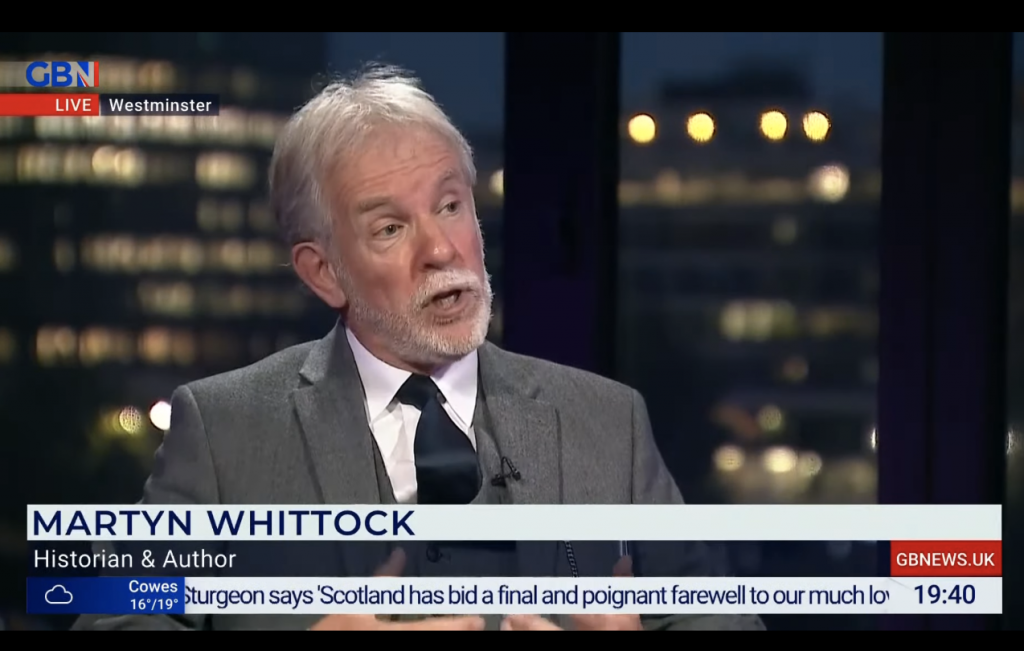
The coronation of King Charles III is the latest in a continuous history of such events, which stretches back a millennium. Its location, within Westminster Abbey, is a direct link to Anglo-Saxon England and the eleventh-century world.
TOPIC: The history of the Monarchy. Starts at 1 hour 32 minutes into the broadcast.
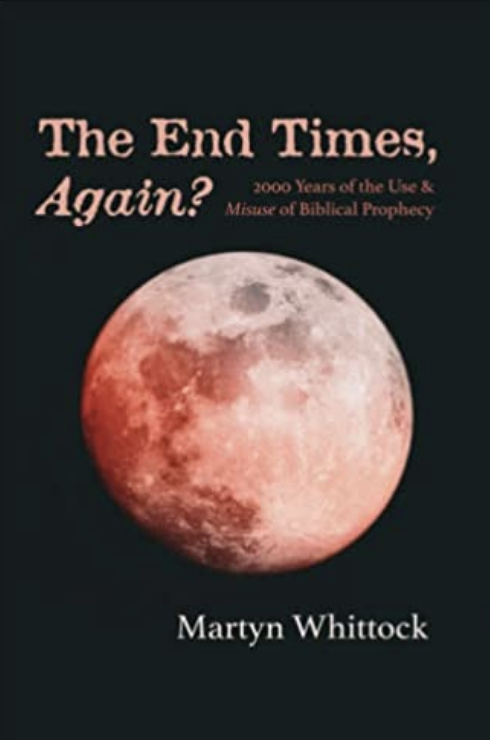
From the Middle Eastern politics of Donald Trump to the UK’s 2016 EU Referendum, large numbers of Christians are making decisions based on the alleged “end-times” aspects of modern politics. Such apocalyptic views often operate beneath “the radar” of much Christian thought and expression. In this book, historian Martyn Whittock argues that while the New Testament does indeed teach the second coming of Christ, complications occur when Christians seek to confidently identify contemporary events as fulfilments of prophecy.
Such believers are usually unaware that they stand in a long line of such well-intended but failed predictions. In this book, Whittock explores the history of end-times speculations over two thousand years, revealing how these often reflect the ideologies and outlooks of contemporary society in their application of Scripture. When Christians ignore such past mistakes, they are in danger of repeating them. Jesus, Whittock argues, taught a different way.
Martyn Whittock is a Licensed Lay Minister in the Church of England. As an historian and author, or co-author, of fifty-four books, his work covers a wide range of historical and theological themes. As a commentator and columnist, he has written for a number of print and online news platforms; been interviewed on radio shows exploring the interaction of faith and politics; appeared on Sky News discussing political events in the USA; and been interviewed on a number of news platforms regarding the Russian invasion of Ukraine. His recent exploration of the history of repression in Russia, and its continued legacy, is: ‘The Secret History of Soviet Russia’s Police State’ (2020). He has just completed ‘Apocalyptic Politics’ (2022 forthcoming), which examines apocalyptic beliefs driving radicalization, including in Russia
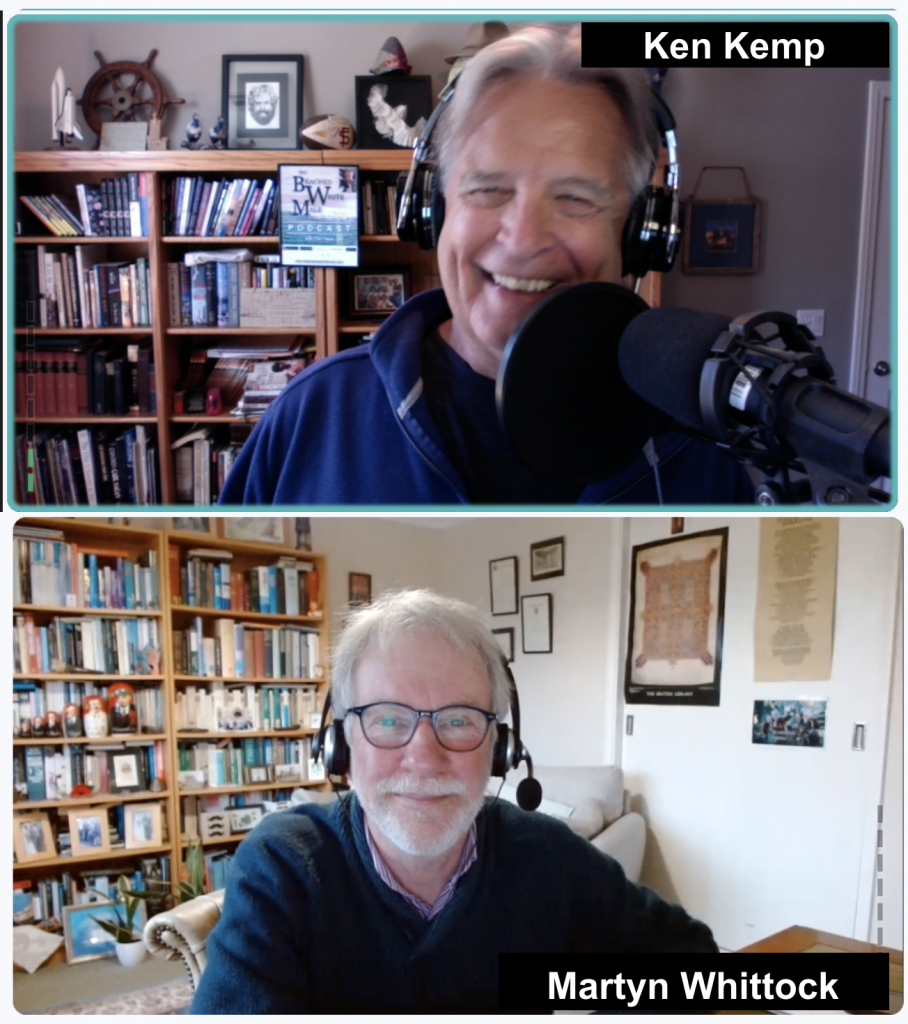
Watch as Martyn is interviewed –
37 minutes in.
September 19, 2020
Martyn appeared on British television to discuss the monarchy as the nation remembered Queen Elizabeth II.
Broadcast in the UK